I-PCC at the 3rd Botton-Champalimaud International Pancreatic Cancer Conference
Italian pancreatic cancer research took the international stage in Lisbon this October. I-PCC, the Italian Pancreatic Cancer Community, together with the Fondazione Nadia Valsecchi, joined the 3rd Botton-Champalimaud International Pancreatic Cancer Conference with a delegation of researchers from across Italy: speakers, poster presenters and session chairs.
About the conference
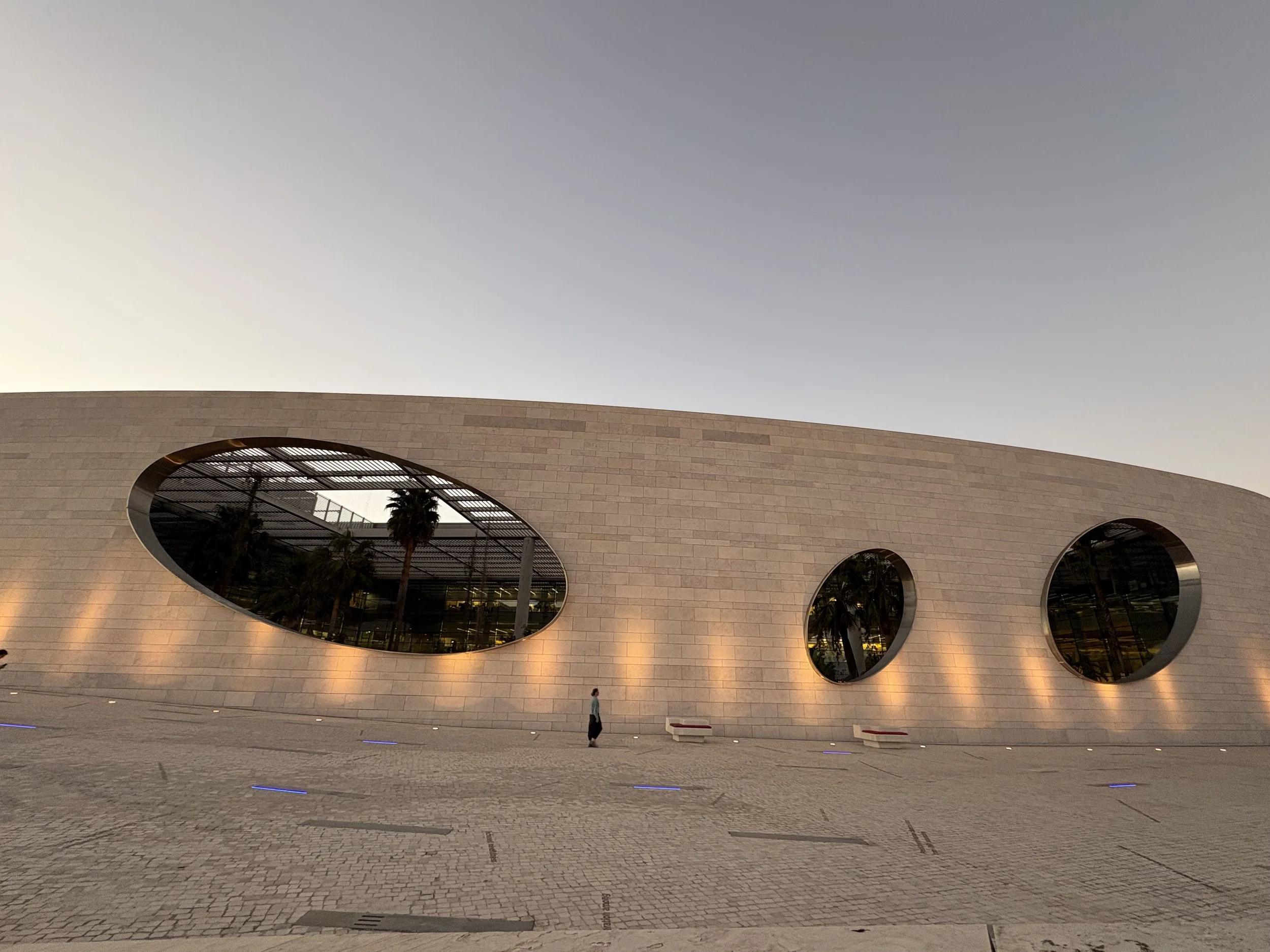
The 3rd Botton-Champalimaud International Pancreatic Cancer Conference took place on 8–10 October 2026 at the Botton-Champalimaud Pancreatic Cancer Centre in Lisbon, Portugal. This year's edition focused on locally advanced and metastatic pancreatic cancer, with an emphasis on new translational and clinical advances.
The programme brought together 60 world-renowned cancer specialists and around 400 participants. Over three days, they exchanged insights on cutting-edge research, state-of-the-art surgical approaches and innovative therapies, with one shared goal: moving discoveries from the lab to the patient's bedside as fast as possible.
This edition also gave a prominent stage to Early Career Researchers, building the research networks of tomorrow. Italy's young scientists made the most of it.
The Italian delegation
Researchers from all over Italy and from the I-PCC community brought their work to the conference, as speakers, poster presenters and session chairs.
Oral presentations
• Giuseppe Diaferia (Lisbon) – New Therapies and Metastasis session: perineural invasion in the Triangle region.
• Andrea Costamagna (Turin, Martini Lab) – Early Career Researchers session: how precancerous lesions can give rise to early metastases.
Posters
• Maria Iavazzo (CNR Naples, Lonardo Lab) – cell hybrids as a driver of tumour heterogeneity.
• Enrica Soprano (Nanotec CNR Lecce, Del Mercato Lab) – collagen stiffness and the tumour microenvironment.
• Anna Chiara Siciliano (Nanotec CNR Lecce, Del Mercato Lab) – pH sensors to predict response to chemotherapy.
• Giulia Vanoni (Nanotec CNR Lecce, Del Mercato Lab) – monitoring tumour metabolism with pH sensors.
• Paula Ariadna Diez Villegas (Turin, Cappello lab) - IL17A in modulating pre-metastatic niches.
Session chairs
• Federica Valsecchi (Brescia) – co-chair of the Early Career Researchers session (1), and I-PCC representative in the discussion among European research networks (Spain, Germany, the Netherlands, France, the UK and Italy).
• Vincenzo Corbo (Verona and Lisbon) – chair of the Pancreatic Cancer Europe Research Network sessions.
This session offered a unique opportunity to bring together Europe's national pancreatic cancer research networks. Alongside I-PCC, represented by Federica Valsecchi, networks from Germany, France, Spain, the Netherlands and the UK shared their activities and resources. The discussion sparked new ideas for collaboration and synergy among the groups. We are confident they will lead to important advances in pancreatic cancer research across Europe.
• Giulia Biffi (Cambridge) – chair of the Early Career Researchers session (2).
We are proud of this team. Italian research is alive, young and connected to the world.
Key themes
Three days of talks, posters and discussion left us with a clear picture of where pancreatic cancer research is heading, and why there is real reason for hope. Here are the big themes we brought home from Lisbon:
• KRAS is no longer undruggable. KRAS is altered in almost all pancreatic tumours. After years of effort, new drugs in clinical trials are finally hitting it.
• Every tumour is unique. Understanding why treatments work for some patients and not others is the key to personalised therapy.
• Genetic testing matters. Alterations such as BRCA open the door to targeted drugs. Patients should ask their oncologist about testing.
• The immune system in play. Vaccines and new strategies aim to teach the body to recognize the tumor.
• Understanding how the tumour spreads. From the surrounding microenvironment to metastasis, the goal is to stop the disease earlier.
• Just a blood draw? Liquid biopsy could help track the disease through a simple blood test.
• Room for young researchers. This year the conference gave a major stage to early career scientists, the research networks of tomorrow.
Lisbon showed us that pancreatic cancer research is moving faster than ever. I-PCC will keep connecting Italian researchers with the international community, so that every discovery reaches patients sooner.